
ChatGTP Textbuilder build — how to Use ChatGTP and Textbuilder to build your Blog is one of the most important topics for WordPress site owners. Read on to learn how it works and what practical steps you can take today.
Over my blogging journey, I discovered that using ChatGTP and Textbuilder is like having a magic wand for your content creation. You’ll be amazed at how these tools can enhance your writing process and take your blog to the next level. I’ll walk you through the necessarys to maximize their potential, sprinkle in a dash of creativity, and unleash your inner wordsmith. Get ready to turn those scattered ideas into something truly spectacular!
Key Takeaways:
- Leverage ChatGPT’s AI capabilities to generate content ideas, outlines, and even full articles, enhancing creativity and efficiency.
- Utilize Textbuilder for formatting and structuring your content, ensuring readability and engagement for your audience.
- Regularly refine and edit AI-generated content to align with your unique voice and the needs of your target readership.
ChatGTP Textbuilder build: Getting Started with ChatGTP
Getting up and running with ChatGTP is a breeze. The user-friendly interface means you won’t need a degree in tech wizardry to examine your blogging journey. Start by navigating to the registration page, where you can effortlessly create an account with just your email and a password. Once you hit that activation link in your inbox, you’re officially in business!
Setting Up Your ChatGTP Account
Setting up your ChatGTP account takes mere minutes. After entering your email and creating a password, verify your account through the email sent to you. Once confirmed, you’ll be greeted by the welcoming interface, ready for you to explore its capabilities. Don’t forget to familiarize yourself with the dashboard, as it’s your launchpad for brainstorming and crafting engaging content.
First Steps: What to Do After Signing Up
After signing up, you’ll want to jump right into the action. Start by exploring the templates available for blog posts, which can facilitate idea generation. I suggest testing the different prompt styles to find what clicks best with your writing flow. This is your chance to tap into the extensive knowledge base, transforming ideas into actual content effortlessly.
As a first step, don’t shy away from experimenting with prompts in various genres. I found that formulating specific questions or topics can yield vastly different results; for example, leveraging different tones (casual, formal, or humorous) can give your content unique flavors. Explore the suggested prompts, and try refining them to match your blog’s voice. Note, engaging with ChatGTP can help you twirl in ideas you might not have considered, pushing the limits of creativity beyond what you initially imagined.
Crafting Compelling Content with Textbuilder
With Textbuilder, I can effortlessly create engaging blog posts that capture my audience’s attention. The platform’s intuitive interface and powerful tools make it easy to structure my ideas and refine my writing, allowing my creativity to flow. This ensures that every article I publish is not just informative but also compelling, drawing readers back for more.
Key Features That Will Transform Your Blogging
Textbuilder is packed with features designed to elevate your writing experience. Here are some game-changing aspects:
- Smart Suggestions: Offers real-time recommendations to enhance your content.
- Collaborative Tools: Enables you to work with others seamlessly.
- SEO Optimization: Provides insights to improve your search engine rankings.
- Content Templates: Offers pre-designed layouts to jumpstart your posts.
- Analytics Tracking: Monitors your blog’s performance metrics.
This comprehensive suite of features empowers me to refine my work, resulting in higher engagement and traffic.
Tips for Efficient Content Creation
Creating content efficiently without sacrificing quality is a skill I’ve honed over time. Here are some straightforward tips:
- Set Clear Goals: Define what each post aims to achieve.
- Draft Quickly: Allow yourself to write without heavy editing initially.
- Utilize Outlines: Keep your ideas structured before submerging into writing.
- Leverage Feedback: Encourage others to review your drafts for fresh insights.
After implementing these strategies, you’ll find that your writing process becomes much more streamlined.
To further enhance your efficiency in content creation, consider establishing a dedicated writing schedule. Tools like task managers can help you allocate specific times for brainstorming, writing, and revising. When I use a timer, I can maximize focus during short bursts, resulting in impressive productivity. Remember to keep an eye on your metrics to understand what resonates more with your audience. After adopting these practices, you’ll likely see a boost in both quality and quantity of your blog posts.
- Track Metrics: Regularly analyze your blog’s performance.
- Brainstorm Sessions: Schedule regular creative meetings.
- Stay Inspired: Curate a list of ideas or topics that excite you.
- Join Writing Groups: Collaborate with peers for motivation.
After you integrate these tips into your writing routine, I guarantee you’ll produce more compelling content in less time.
How to Optimize Your ChatGTP Interactions
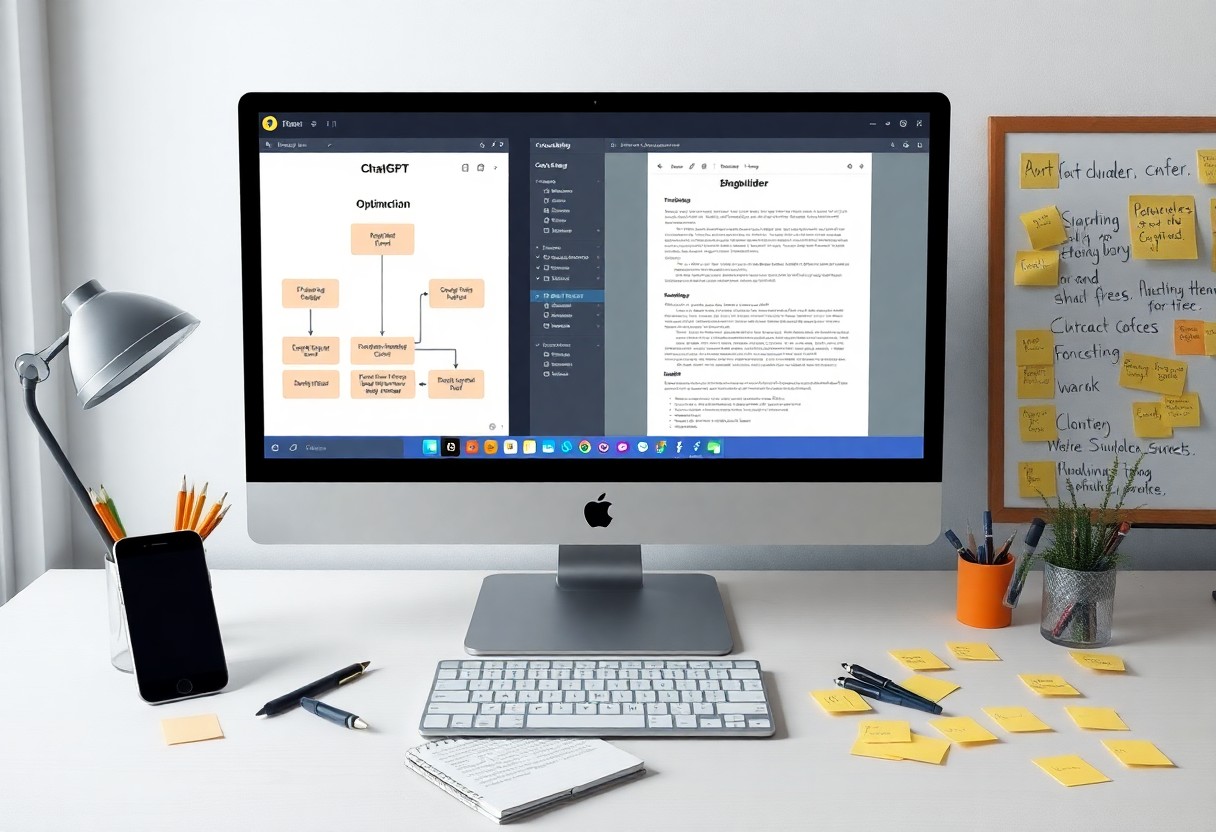
Optimizing your interactions with ChatGTP can dramatically enhance the quality of the output. You should focus on crafting thoughtful prompts that clearly outline your needs. The more specific you are, the better the responses you’ll get. Explore various formats, like questions or context-rich statements, to see what works best for you. I’ve found that fine-tuning my requests leads to far more productive responses.
Questions That Drive Quality Responses
When engaging with ChatGTP, crafting the right questions is vital for obtaining quality responses. I prioritize specificity and clarity, asking questions that target the information I seek. For instance, instead of asking, “Tell me about marketing,” I might ask, “What are five innovative digital marketing strategies for small businesses?” This approach elicits detailed, actionable insights.
Factors Influencing Your Chatbot’s Output
Your chatbot’s output can vary significantly based on several factors. The complexity of your prompts, the context you provide, and even how you phrase your questions impact the relevance and creativity of the generated content. I’ve learned that a well-structured inquiry often yields richer results. Elements such as prompt specificity, contextual detail, and desired tone all play vital roles in shaping the output. This ensures I receive the most relevant information tailored to my needs.
- prompt specificity
- contextual detail
- desired tone
Enhancing the quality of responses also entails trial and error. Adjusting your approach based on previous interactions can lead to improvements. I often reassess my wording or context after reviewing the output to find more effective ways to communicate. Focusing on details such as clarity, conciseness, and direction can make a real difference in optimizing the interaction. This means being strategic about your input to reap the best results.
- clarity
- conciseness
- direction
Integrating Textbuilder into Your Blogging Workflow
Incorporating Textbuilder into my blogging workflow has transformed how I create content. It offers a seamless integration that allows me to generate ideas, outline posts, and even draft complete articles swiftly. With its user-friendly interface, I can pull in snippets of text and manage my writing projects more efficiently, ensuring that I focus on crafting compelling narratives without getting tangled in the minutiae of formatting and organization.
Streamlining Your Process
Streamlining my process with Textbuilder is a game-changer. I can quickly organize my thoughts and structure my articles using simple templates. This tool helps me focus on the creative aspects of writing while it manages the more tedious tasks like formatting and bulleting. As a result, I find myself spending less time on logistics and more time on the actual content, making my writing experience far more enjoyable.
Collaborating and Sharing Ideas Efficiently
With Textbuilder, collaboration becomes a breeze. I can easily share drafts with fellow bloggers or editors, gathering feedback in real-time. The built-in commenting features allow for constructive conversations, ensuring that ideas can bounce around freely and creatively. This interactive aspect not only enhances the quality of my content but also strengthens relationships with collaborators.
When sharing and collaborating, Textbuilder sets the stage for a creative symphony. I often invite peers to comment directly on specific sections, sparking discussions that lead to unexpected insights. For instance, during a recent project, feedback on a particular headline resulted in a more captivating title that significantly increased engagement. By harnessing Textbuilder’s collaborative tools, I’ve enhanced my blog’s depth and appeal, making it not just a solo effort but a dynamic exchange of ideas.
Maintaining a Consistent Blogging Voice
Consistency in your blogging voice ensures that your audience knows what to expect, fostering loyalty and trust. I find that establishing a distinct tone makes the content more relatable and engaging. This includes utilizing certain phrases, styles, or humor that resonates with your target reader. When you create posts, the key is to maintain this voice across all entries, cementing your identity as a blogger in readers’ minds.
Tips for Staying On-Brand
Staying on-brand requires intentionality in each post. I recommend the following:
- Define your blog’s *unique voice*.
- Utilize a *style guide* to maintain consistency.
- Engage with your audience through *consistent messaging*.
Recognizing the importance of staying true to your brand will make your writing more cohesive and recognizable.
Factors to Consider When Choosing a Tone
Your tone significantly affects how your content is perceived. I take into account various factors such as the *audience demographic*, *content purpose*, and *platform differences* when selecting a tone. Understanding the mindset of your readers and aligning your statements accordingly will enhance engagement. Perceiving these elements can guide you in striking the right balance between professionalism and approachability.
Moreover, your chosen tone impacts the overall feel of your blog. I assess the audience’s preferences, aiming for a *conversational style* that feels inviting and relatable. Consistently applying this approach not only attracts but retains readers. Consider elements like the *subject matter* and *reader expectations* to refine your voice. Perceiving how these factors interact will help you craft a tone that resonates and engages effectively.
- Identify your *target audience*.
- Consider the *platform* you are using.
- Align with the *content purpose*.

Promoting Your Blog Effectively
Promotion is the lifeblood of any successful blog, turning mere posts into a thriving conversation with your audience. I leverage various platforms to spread the word about my content, utilizing social media, email newsletters, and online communities for maximum reach. Collaborating with other bloggers or influencers can also amplify your efforts, opening doors to new followers who are genuinely interested in your niche. My approach is holistic, ensuring that each channel drives traffic back to my blog, leading to more engagement and growth. This creates a cycle that feeds your blog’s visibility.
Innovative Ways to Share Your Content
Pushing your content out into the digital ether is more than just hitting “publish.” I’ve found success by repurposing blog posts into eye-catching infographics or quick videos, making the material accessible in various formats. Hosting live Q&A sessions or participating in podcasts allows me to discuss my content in a personal way, which keeps the audience engaged and curious. Additionally, leveraging social media trends, like sharing snippets of my posts with hashtags, expands my reach significantly. This opens pathways to connections I didn’t imagine before.
Tips for Engaging Your Audience
Making genuine connections with your audience goes beyond the content you create; it’s about fostering a community. I engage by encouraging comments and responding promptly, which builds rapport. Hosting contests or polls invites readers to participate, creating excitement around my blog. Tailoring my content based on reader feedback keeps the dialogue alive and shows that I value their input. This interaction not only boosts loyalty but also helps you understand what resonates most with your followers, enhancing future content creation.
- genuine connections
- community engagement
- tailored content
Engaging your audience must be more than a checkbox; it should be embedded in every post. Utilizing compelling storytelling captures attention while also prompting readers to share their thoughts. I often ask open-ended questions at the end of my posts to spark conversation, inviting diverse opinions and experiences. Building a sense of belonging encourages readers to return, knowing they have a voice in the discussions. This, combined with consistent and authentic responses, lays a foundational loyalty that keeps your audience coming back for more.
- compelling storytelling
- sparking conversation
- loyalty foundation
Summing up
Hence, combining ChatGTP and Textbuilder is like pairing peanut butter with jelly-pure synergy. I’ve found that leveraging their strengths not only amplifies my creativity but also streamlines my blog’s content creation. You can whip up engaging posts faster than you can say “content marketing,” keeping your audience hooked and your ideas flowing. So, grab your digital toolkit and let these tools propel your blogging journey to new heights-your readers will thank you for it!
FAQ
Q: What are the initial steps to get started with ChatGTP for blogging?
A: Begin by signing up for an account with ChatGTP. Once logged in, familiarize yourself with the interface. Start a new project by selecting a blog niche and brainstorming topics. Use ChatGTP to generate content ideas, outlines, or even complete drafts by inputting prompts related to your chosen subjects.
Q: How can Textbuilder enhance the writing process for my blog?
A: Textbuilder streamlines the writing process by providing structured templates and formatting tools. After generating content with ChatGTP, import the drafts into Textbuilder. Utilize its features to refine and organize your posts, ensuring consistent formatting and readability. This integration speeds up content creation and improves overall quality.
Q: What tips can I apply to ensure the content generated by ChatGTP is engaging?
A: Focus on interacting with ChatGTP through specific prompts that highlight your audience’s interests and pain points. Ask for conversational or narrative styles and incorporate storytelling elements for relatability. After generating content, adjust language and tone to match your personal voice, enhancing engagement with readers.